41 polypropylene vs polyester labels
Poly Labels - Mylar, polyester, polypropylene, vinyl, polyolefin Poly labels really means a custom printed label made of a poly film material like Mylar (polyester, referred to as PET), polypropylene (commonly referred to as BoPP), or polyolefin (a combination of plastics made for a particular use). Vinyl labels and polystyrene labels can also be called "poly labels". Polyester Vs. Polypropylene – What’s The Difference? 03.09.2021 · The primary difference between polyester and polypropylene is that polypropylene is non-absorbent and better at wicking moisture than polyester. There are more chemical and physical differences, but our intention for this post today is to explain how the differences effect those of you who wish to craft with either material. We’ll tell you the difference at a household …
What is the difference between Polyester and Polypropylene labels? BarcodesInc. Polyester is the most rugged and is made for outdoor or extreme temp/chemical environments. Polypropylene is great for indoor use when you need something stronger than paper and not at a high cost like Polyester. Ask us your Barcode, POS, or RFID questions. 1-800-351-9962. Filed under: Question and Answer. Posted November 29, 2012.

Polypropylene vs polyester labels
Difference Between Polyester and Polypropylene - Pediaa.Com Polypropylene has its major application as a packaging material. The main difference between polyester and polypropylene is that polyesters can absorb some amount of water whereas polypropylene does not absorb water at all. Key Areas Covered 1. What is Polyester - Definition, Production, General Properties 2. What is Polypropylene Do You Need Help Choosing A Label Material? - ABLT The test to determine which it is, is easy because Polyester sinks in water while Polypropylene floats. The hardest part of this test is that you must remove all the adhesive from the label first. This can take some time but by rubbing the back of the label with Goo Gone you can easily remove the adhesive. What do the different types of plastic based labels mean- PVC,PP,PET ... Polyprop is a cheaper form of polyester, also mostly used for indoor application Polyester is the most expensive, basically weatherproof. Mostly used for outdoor applications, can handle rain or shine. Biaxially oriented means the film is stretched to increase tensile strength, etc. Pressure sensitive = Any paper or film with adhesive
Polypropylene vs polyester labels. Polyester vs. Polycarbonate Graphic Overlays - Label-Aid You might choose a polyester label if your applications involves chemicals such as acids, solvents, or cleaners because polyester has better chemical resistance. Polyester has a higher actuation life as well, which means that it can be pushed many times over many years without cracking or deforming. Polypropylene Labels - Everything You Need To Know While polypropylene labels are great for many applications, they do not work for everything. Application, lifespan, and regulations might dictate that another material, such polyester or vinyl might be required. Polyester labels are generally recommended for applications that require a larger lifespan, heat resistance, and additional durability. Polypropylene (PP) vs Polyethylene (PET) Plastic - Brand My Cafe Blog PP plastic resists heat from outside better than PET. At the same time, PET plastic resists cold from outside much better than PP. Both PP plastic and PET plastic have a wide range of temperature resistance and the superiority of one kind of plastic over the other kind of plastic is by thin margins. Polypropylene Labels: What You Need to Know | LabelValue They are more durable than most labels and are tear-proof and waterproof. It is also resistant to fading and discoloration that is often characteristic of standard paper labels. Polypropylene labels are ideal for a wide range of retail packaging uses, such as hair care, cosmetics or pharmaceutical products.
Label Materials - What Is My Label Made Of? - The Label Experts Polyethylene (PE) Floats. Easy. Lightweight, flexible, good abrasion resistance, preferred for packaging. Polypropylene (PP) Floats. Somewhat Difficult. Chemical & scratch resistant, strong, good wide service temperature. NOTE: The concept behind the water float test involves "specific gravity.". Symbol Barcode Scanner and Mobile Handheld Computer Shop Symbol products and more from Barcodes, Inc. We are an authorized Symbol distributor. Is Polyester or Polypropylene the Right Choice for my Sleeves and Bags ... Polyester film is the material of choice for archiving many of the United States' most valuable historical documents according to the Library of Congress. Polypropylene is also archival safe, however it is gas permeable. Polyester sleeves and bags are more rigid than polypropylene counterparts. This gives polyester bags a brilliant, shiny surface. Laser Sailboat & ILCA Dinghy Parts, Sails, Upgrades, Polyester double braids, found most commonly on recreational and cruising sailboats, have a polyester cover with polyester core. These are low maintenance, affordable, and long-lasting, while offering relatively low stretch and high working loads. For additional strength and minimal stretch, consider high-tech double braids. These lines typically feature a Dyneema or Spectra …
LIDKULLEN Sit/stand support, Gunnared dark gray - IKEA We are accelerating this movement for polyester in our range and aim to replace all virgin polyester in our textile products with recycled. In 2020, IKEA replaced 79% of the virgin polyester used in IKEA textile products with recycled polyester. In volume, this means we converted 130,000 metric tonnes of recycled polyester, and saved 200,000 tonnes of virign polyester. We haven’t … Which Sticker Material is Right for You? | StickerYou BOPP (Biaxially Oriented Polypropylene) is a plastic-based label material, which is ideal for labeling products that require durability and longevity. White Permanent Glossy BOPP is resistant to almost everything (fading, oil, heat, and abrasion), which makes it great for applications that will endure a lot of wear and tear. This material is ... All Products For Custom Heat Transfers - 613 Originals For Cotton, Nylon, Polyester and Stretch. Our best value! Our screen printed heat transfers go on several fabric types including 100% poly and cotton blends. Single image 9" x 12.75" only 15¢ each + set up. Formula Variations. 15¢ Transfers - For Cotton/Polyester ; 25¢ Transfers - Varsity Leg / Sleeve Print; 15¢ Transfers - For Nylon Polyester vs Polypropylene Strapping: What's the Difference? Polypropylene strapping has a matte finish and is usually embossed. Tension retention - Polyester retains tension over a long period of time. Polypropylene has low retained tension, often losing about half of the applied tension with an hour of being applied. This loss can be accelerated by certain environmental factors as well.
Polypropylene Labels
Compare Label & Sticker Materials | Avery WePrint™ Estate #8 Paper. Estate #9 Paper. Silver Metallic Paper. Tamper-Evident Matte White Paper. White Film BOPP Polypropylene (waterproof) Removable White Film (waterproof) Clear Film BOPP Polypropylene (waterproof) Chrome Silver Film BOPP Polypropylene (waterproof) Crystal Holographic Film OPP Polypropylene (waterproof)
Polyester vs Polypropylene: What's the Difference?
Polyester vs Polypropylene: What's the Difference? - Silver Bobbin The main difference between polyester and polypropylene is that polypropylene is more water-resistant than polyester, making it a quick-drying fabric that works well for athletic wear. Polyester lacks the quick-drying properties of polypropylene, but it is washable and wrinkle-resistant, qualities that make it easy to care for.
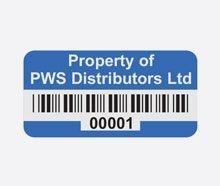
Buy Asset Labels & Tags Printed On Vinyl, Metal, Polypropylene
Difference Between Polyester and Polypropylene Polyester vs. Polypropylene. Polyesters are the polymers formed by condensation polymerization of dicarboxylic acid and diols. Whereas the polypropylene has the characteristic of thermoplastic polymer and has applications of being used in plastics and fibers. Monomers of polyester are dicarboxylic acid and diol; however, in the case of ...

Custom labels: digital vs. flexographic printing
A Guide to Polyester, Nylon, & Polypropylene Fabric Jul 23, 2020 · The differences between polyester and polypropylene include: Polypropylene is more water repellant than polyester. Polyester can wick away moisture, but it is more absorbent than polypropylene. Polypropylene will dry faster than polyester. Polyester materials are much easier to care for compared to polypropylene. Polyester has more UV ...

Polyester Labels - Top Labels USA
7 Important Types of Label and Sticker Materials - PLCTX BLOG These labels are considered ideal replacements for vinyl labels, and provide excellent solvent resistance. Polypropylene labels are affordable than polyester labels, and they offer better clarity. These labels are distinguished on the basis of their coating, adhesive, and colors. The following are some popular types of these labels:
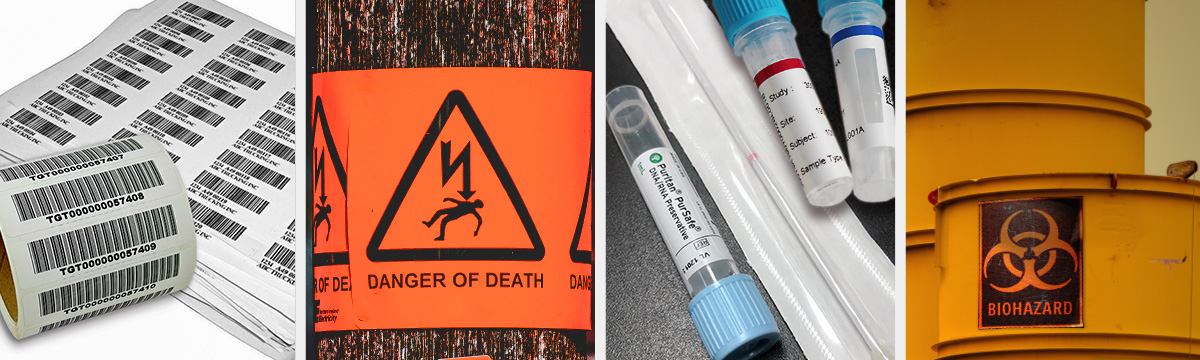
Polyester Labels Features and Advantages
Polyethylene vs Polypropylene: Which Is Better? Polyethylene gloves are cheaper than their polypropylene counterparts. They also typically come powder and latex-free, which is why they are highly used in applications that involve food. They don't trigger allergic reactions, so they are safe to use. Although more expensive than polyethylene gloves, most polypropylene gloves are durable ...

Brady Polypropylene labels | 50,80 x 6,35 mm - lockout-tagout-shop
Brady Labels: Printer Labels, Preprinted & Custom | BradyID.com These labels are designed to last in every application you have – from general facility ID to harsh washdown cycles or autoclave conditions. Our pre-printed and print-on- demand labels effectively communicate important safety messages that provide critical information or identify critical components and equipment in an emergency.

Polyester Printed Labels - Finotex
Asset Tags, RFID & Barcode Labels for ID Tracking | Metalcraft Asset Tracking Solution That Make Sense For Small Organizations . By integrating software, the cloud, bar codes, RFID, scanners, printers, and mobile devices, asset tracking gives enterprise management data that wasn’t easily retrievable a decade ago.
Polyester Labels | Polyester Plastic Nameplates | Southern United
Polyester vs. Polypropylene - What's the difference? | Ask Difference Polypropylene (PP), also known as polypropene, is a thermoplastic polymer used in a wide variety of applications. It is produced via chain-growth polymerization from the monomer propylene. Polyester noun a complex ester used for making fibers or resins or plastics or as a plasticizer Polyester noun any of a large class of synthetic fabrics

5/8" x 3,800` .030 1100# 16 x 6 Smooth Green Polyester Strapping (each) - East Coast Packaging
What is the difference between polyester and vinyl sticker? - Camaloon The polyester stickers are printed using next-generation laser printers that print onto material with a thickness of 58 μm. The technical efficiency of our printing allows us to produce large quantities. The vinyl adhesives are printed using Inkjet technology onto material with a thickness of 80 μm. The print definition is flawless, as is the ...

Transparent Labels - our Clear Labels are ideal for Business Use
Polypropylene vs Polyethylene Label Materials: - Paramount Labels The PP label material has the same water and oil resistance as White PP and Clear PP. However the difference is in its light reflecting properties - the same as that of a metal. Colourwashing these materials are favoured by luxury brands for a magnificent display of Gold, Copper, Silver and Rose Gold effects. Polyethylene Labels:

Polyester Label at Best Price in India
Polyester vs vinyl labels | Electric Arc - ArcAdvisor This is considered a stronger material than vinyl since it is more tear resistant and can withstand exposure to oils, solvents, and a number of chemicals. Labels that are made using this material are ideal for products that are subjected to harsh indoor or outdoor conditions.
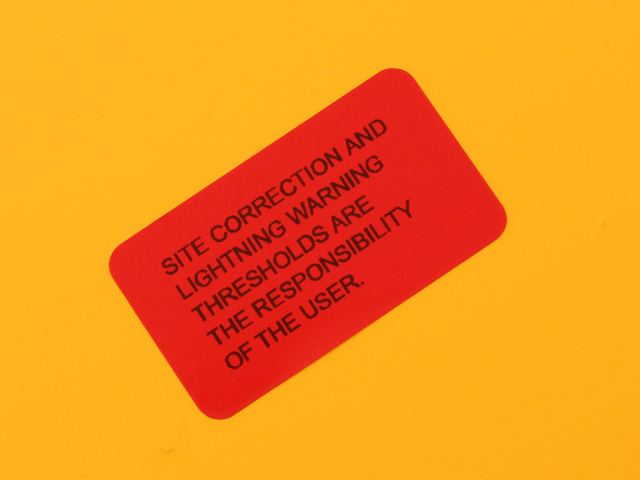
Polyester Label Gallery - Performance Labels and Graphics
Polypropylene vs Vinyl Stickers. Comparing Custom Label Printing ... Special polyesters that are a thicker grade of material or have unique properties like metallics are usually more expensive than polypropylene and sometimes even vinyl, depending on how specialized it is. Similarly, certain vinyl is more expensive than others because of distinctive properties, such as its finish or adhesive strength. Options

Tampax Pearl Compak Plastic Regular Absorbency Unscented Tampons - Shop Tampons at H-E-B
Paper or Plastic? Choosing the Right Label Face Stock for Your Barcodes ... It's good for product ID, and a typical polyester label is commonly used for labeling automobile parts. Polypropylene: These labels offer more durability than a paper face stock, but rate middle-of-the-road in terms of their UV, chemical, and temperature resistance.
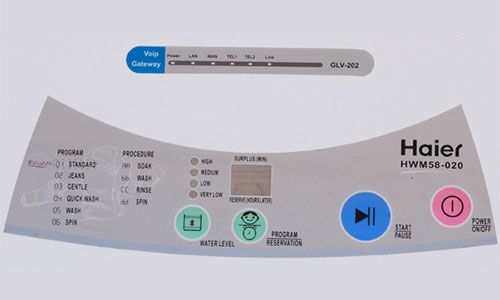
Polycarbonate Stickers Manufacturers Pune | Polycarbonate Stickers India
What is polyester? | Polyester Definition - Label Planet As an individual polyester, polyethylene terephthalate is a thermoplastic polyester that is popular for use in clothing, liquid and food containers, and engineering and construction materials. It is used to make plastic drinks bottles, flexible food packaging, thermal insulation, as a carrier for magnetic tapes (e.g. in audio and video tapes ...
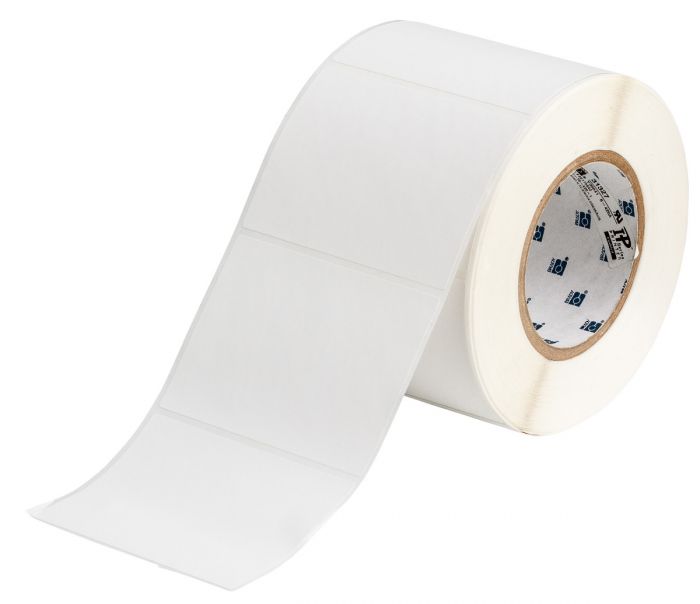
Commercial Polypropylene Labels | White Polypropylene Labels 4.00"x3.00" | Dasco Label
Polyamide vs Polyester: 12 Differences And What Is Better These polymers can be made into 3 basic categories- the aliphatic, semi-aromatic, and aromatic polyesters. To qualify as polyester the monomer needs both a carboxylic group and a hydroxyl group. Polyamides have the same principle behind their label. They are made from a group of polymers from the amide groups.

Nitrile Gloves PF XLarge | Performance Packaging
Polymers - Michigan State University Polypropylene (PP) different grades –[CH 2-CH(CH 3)] n – ... such as water, and generally (but not always) combine two different components in an alternating structure. The polyester Dacron and the polyamide Nylon 66, shown here, are two examples of synthetic condensation polymers, also known as step-growth polymers. In contrast to chain-growth polymers, most of which grow by …
Post a Comment for "41 polypropylene vs polyester labels"